
Coffee Monoculture
Walk into enough coffee shops and you'll start to feel a strange sense of déjà vu. Exposed brick. Reclaimed wood. A chalk menu with four words you need a barista's degree to decode. The "third wave" independent coffee shop — once a genuine act of rebellion against the Starbucks machine — has become its own franchise of feeling. A monoculture cosplaying as counterculture.
The design-forward end of the spectrum isn't innocent either. The austere, gallery-quiet spaces — beautiful as they are — can make you wonder if you're dressed well enough to order an iced coffee. Exclusivity is a design choice too, even when it's unintentional. A space that signals we have taste often ends up whispering do you?
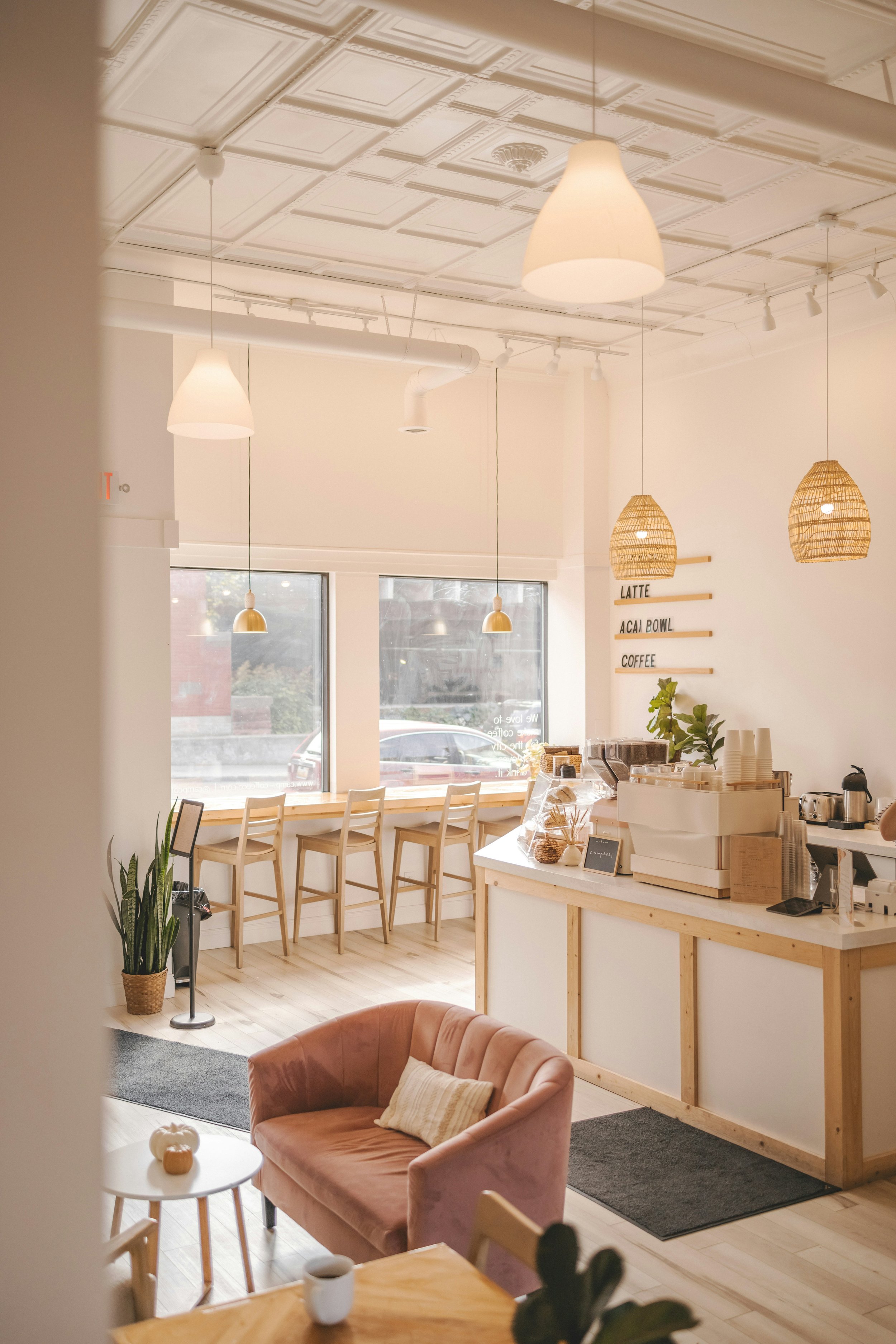
Both archetypes have the same problem: they optimized for aesthetic and forgot about belonging.
The algorithm accelerated this. When discovery happens through a feed, visibility and memorability get confused for the same thing. Shops chase the same visual grammar — the same flat lays, the same moody interiors — and end up indistinguishable precisely because they were all trying to stand out. Being Instagram-famous and being a community institution are not the same ambition, and conflating them is how you end up with a beautiful room full of strangers who never come back.
What the best coffee shops understand is that the cup has always been secondary. People come for the permission to stay somewhere — to work, to think, to run into someone, to just be without a reason. Ray Oldenburg called it the "third space," that essential middle ground between home and office. But a third space only works if the door actually feels open. Good design should invite, not filter.
That means bold enough to be memorable, warm enough to be returned to. A real mix of seating. Quiet corners and communal tables. A room that holds different kinds of people doing different kinds of things, at the same time, without anyone feeling like a guest at someone else's party.
The coffee shops that will matter — the ones people actually mourn when they close — won't be the ones with the best aesthetic. They'll be the ones that knew who they were for, and made sure those people felt it the moment they walked in.
Design the space. But design it for someone.