
Designing Nostalgia
The ’90s are having a full-on resurgence. You can’t scroll through Instagram without stumbling into quick-hitting reels of creators reminiscing about mechanical pencil fake shots, poking holes in erasers, or letting glue dry on their hands just to peel it off. But beneath the playful nostalgia is something more meaningful. That era normalized patience, anticipation, and even boredom—conditions that quietly shaped creativity and helped turn small moments into lasting memories. The absence of constant stimulation left room for imagination, reflection, and connection in ways that feel increasingly rare today.
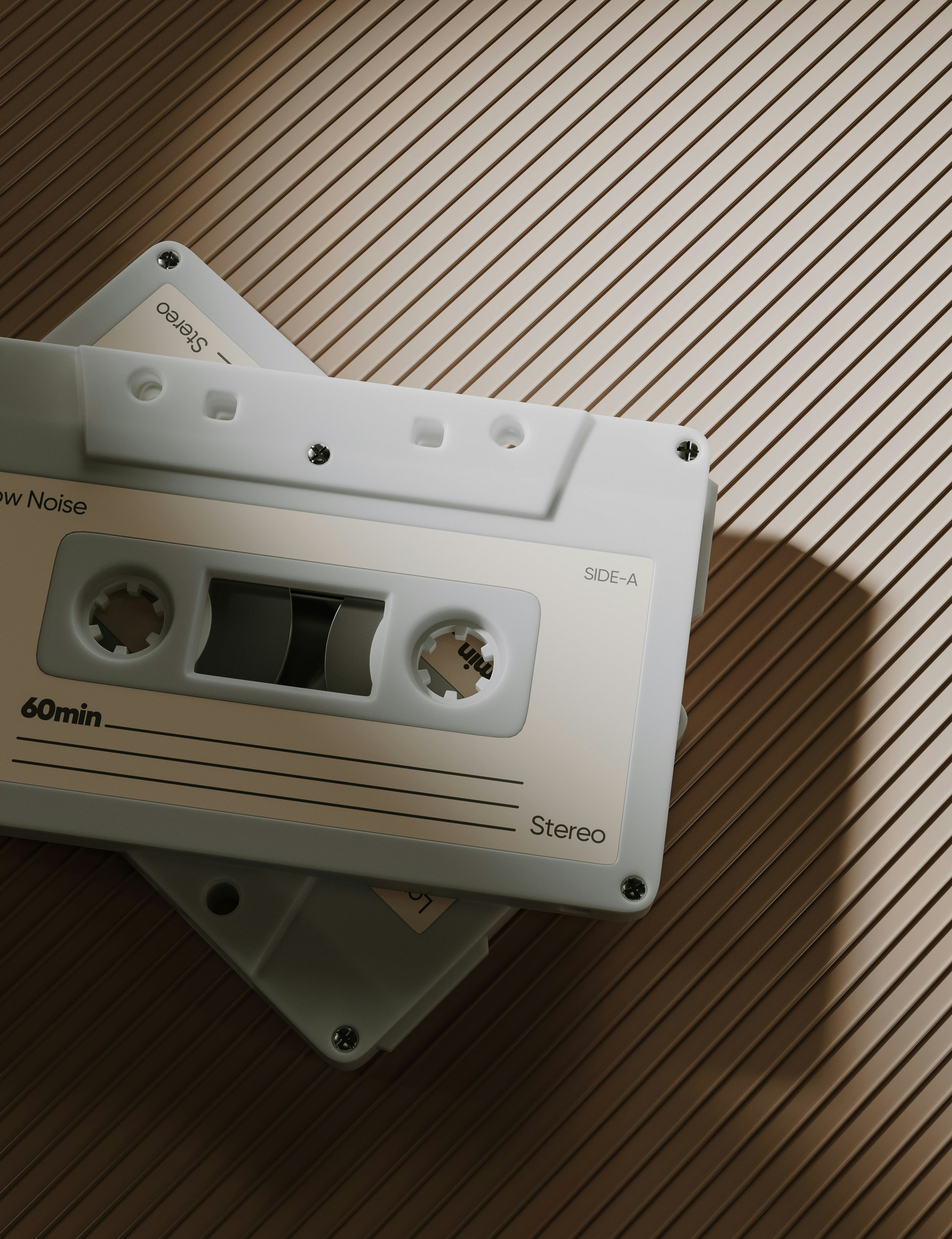
Photo by Planet Volumes on Unsplash
In an age of frictionless convenience, designing for anticipation and imperfection may be the most radical form of placemaking we have.
Countless articles unpack what the ’90s taught a generation, but a few lessons rise to the surface again and again. Waiting a full week for the next episode of a favorite show trained us to savor anticipation rather than expect instant, binge gratification. Boredom wasn’t something to avoid—it was a catalyst. It pushed kids and adults alike to invent games, wander outside, or simply sit with their thoughts. Even research required physical effort: Google launched in 1998, but it wasn’t yet the omniscient force it is now. Learning meant books, libraries, and movement between spaces, reinforcing the idea that knowledge and experience were tactile, spatial, and social.
That same longing is now finding expression in the built environment. We’re seeing an increase in tactile experiences like listening bars or board game restaurants — leaning into this collective memory with nostalgic concepts, pairing retro interactions and familiar references with cocktails and contemporary social life.
It raises a larger question for designers today: how do we create spaces that encourage these kinds of moments? Places that allow people to slow down, to breathe, to truly socialize—and in doing so, to rediscover creativity. In an age of frictionless convenience, designing for anticipation and imperfection may be the most radical form of placemaking we have.