
Vision Zero
While national headlines often claim Vision Zero is struggling in the U.S., local data across many cities shows that when communities invest in meaningful Safe Systems strategies, traffic safety measurably improves. Cities that have implemented targeted Vision Zero changes — such as traffic calming, protected bike lanes, lower speed limits, street lighting, and automated speed enforcement — are seeing significant reductions in crashes, severe injuries, and deaths.
StreetsBlogUSA recently published an opinion piece outlining Vision Zero strategies and listing some impressive statistics on the quantifiable changes that are happening in cities across the country.
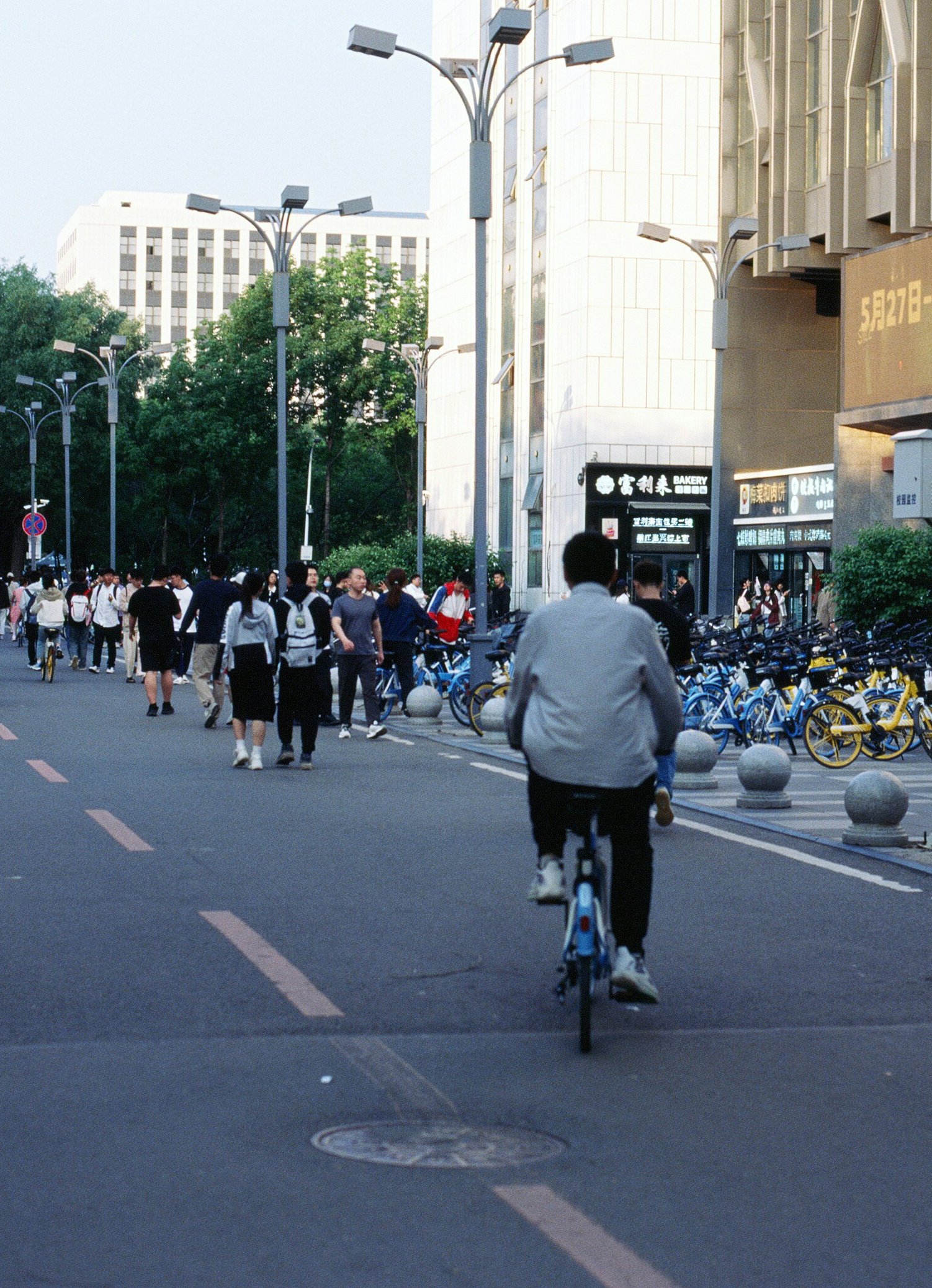
The takeaway? These successes reveal a clear pattern: Vision Zero works wherever it is fully applied, even through low-cost, incremental changes like speed humps, narrowed lanes, lighting upgrades, and protected bike and pedestrian infrastructure. Research reinforces that even small speed reductions (e.g., 1 mph) meaningfully decrease crash risk.
The persistent challenges — rising vehicle size, outdated roadway designs, slow state/federal policy shifts — show that Vision Zero’s limits often stem not from the strategy itself but from incomplete implementation and lack of political will. The cumulative evidence is clear: Investing in Vision Zero saves lives, reduces injuries, and creates safer, more livable communities.
Praxis designed a public art installation for Baltimore Vision Zero and we’re looking forward to more opportunities to raise awareness around safe streets and multi-modal transportation. Get in touch with us and let’s discuss.