
The Return to Paper
After two decades of digital-first design, a meaningful shift is underway — designers and brands are intentionally returning to print and paper and moving away from perfection. Not out of nostalgia, but as a deliberate counterbalance to digital fatigue. Digital saturation has made screens feel homogeneous and fleeting. Paper offers what screens fundamentally cannot: texture, weight, scent, sound, and the kind of sensory friction that slows people down and creates lasting memory.
At DESIGN&PAPER, the renewed reverence for tactility is not merely a trend — it is a cultural signal. It speaks to a deeper hunger for experiences that endure beyond the digital feed; for brand touchpoints that don't just capture attention, but leave a lasting impression in the hand, the mind, and the memory.
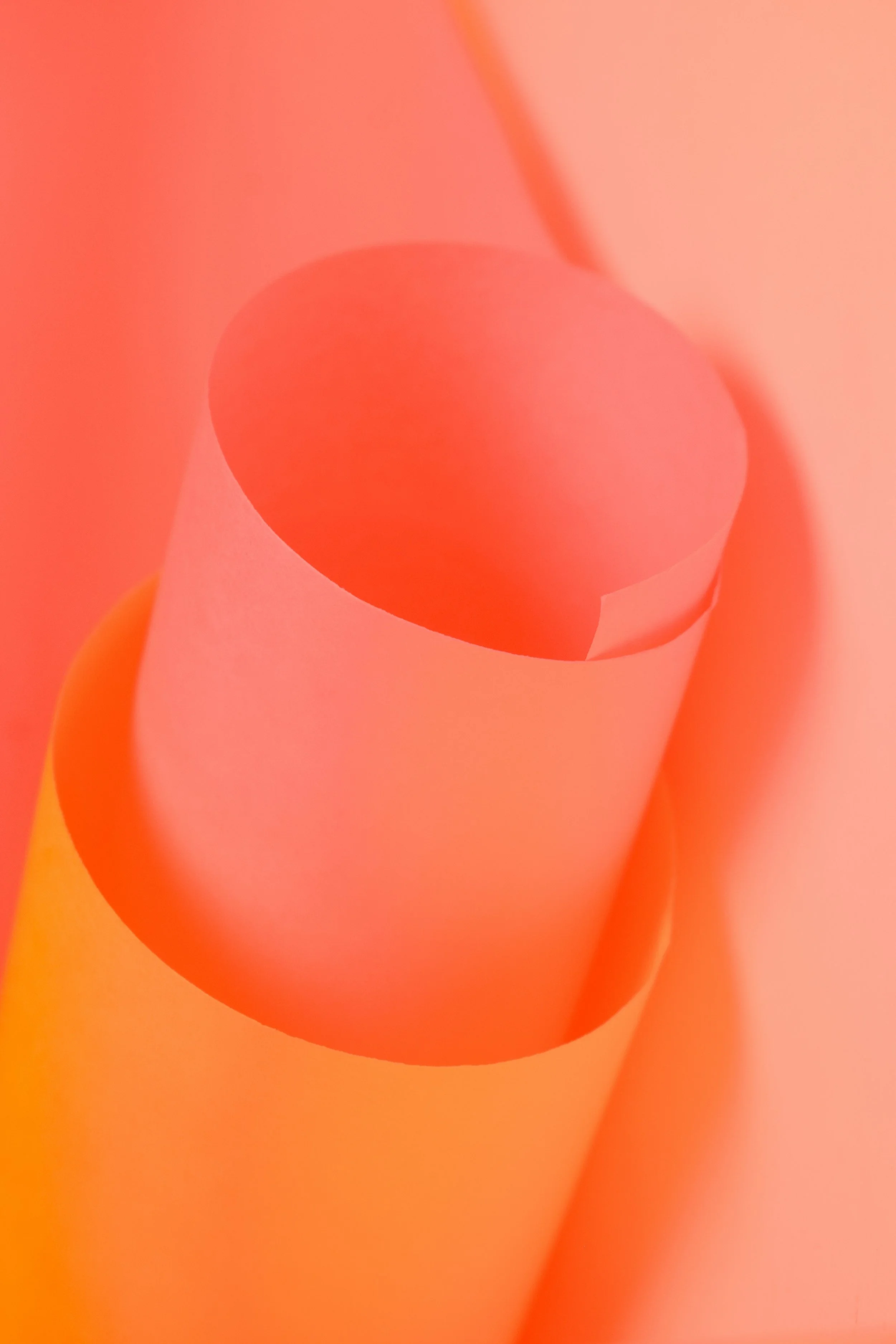
Photo by Saifee Art on Unsplash
Designers are responding to this fatigue with a renewed interest in slowness, presence, and physicality.
As digital saturation makes everything feel increasingly uniform and fleeting, brands and designers are turning to physical print as a deliberate antidote. Today's print work is fewer in volume but richer in craft — paper selection, finishing, and production are now core creative decisions, not logistical ones. The result is a thriving market for premium packaging, editorial design, limited-edition publications, and considered stationery, all produced through closer collaboration between designers, printers, and material specialists. In a world of endless scroll, a well-made printed piece offers something rare: permanence, presence, and genuine emotional resonance.
On a similar path, Medium did a deep dive into why imperfect design is currently dominating. Designers are actively rejecting digital perfection in favor of intentional flaws — hand-drawn typography, organic textures, asymmetric layouts, and visible marks of craft. The driving force is the same fatigue with sterile, homogenized digital output, and the response is a conscious move toward authenticity, human touch, and individuality.
Imperfection isn't sloppiness — it's strategy. Every flaw should be purposeful, aligned with brand values, and functional. Used well, it builds trust, improves brand recognition, and fosters deeper emotional connection with audiences.
These two pieces are telling the same story from different angles. Both are responding to the same root cause — digital saturation has made everything feel identical and disposable — and both arrive at the same solution: intentional friction as a design tool. Together they point to a unified direction in contemporary design thinking:
Authenticity over automation. Whether it's choosing uncoated paper stock or hand-drawn lettering, today's most resonant design choices signal human craft.
Slowness as a feature. Both articles celebrate design that asks audiences to pause, look closer, and engage more deeply.
Resonance over volume. Fewer, better-made things — whether printed pieces or brand touchpoints — carry more weight than high-volume, polished output.